THIS NYC VISUAL ARTIST HAS BUILT A PRACTICE AROUND BENDING TIME, CRAFTING SCULPTURES, INSTALLATIONS, AND COLLABORATIONS THAT APPEAR AS IF THEY BELONG IN BOTH THE FUTURE AND THE PAST, INVITING VIEWERS TO QUESTION WHAT SURVIVES, WHAT ERODES, AND HOW MEMORY CAN BE GIVEN FORM
BY EMMA FLOYD
Daniel Arsham’s path into art began early. Growing up in Miami, he received a camera at age 12 from his grandfather, sparking an interest in capturing images. That curiosity led him through a high school focused on architecture and eventually to Cooper Union in New York, where he shifted into the art program. At Cooper, he studied under influential figures such as Hans Haacke and Walid Raad, who emphasized ways of thinking rather than technique. By the time of his 2003 thesis exhibition, Arsham was already testing the ways architecture could hold psychological meaning most memorably in a design for a parking structure whose floorplan spelled the word “REGRET” when viewed from above.
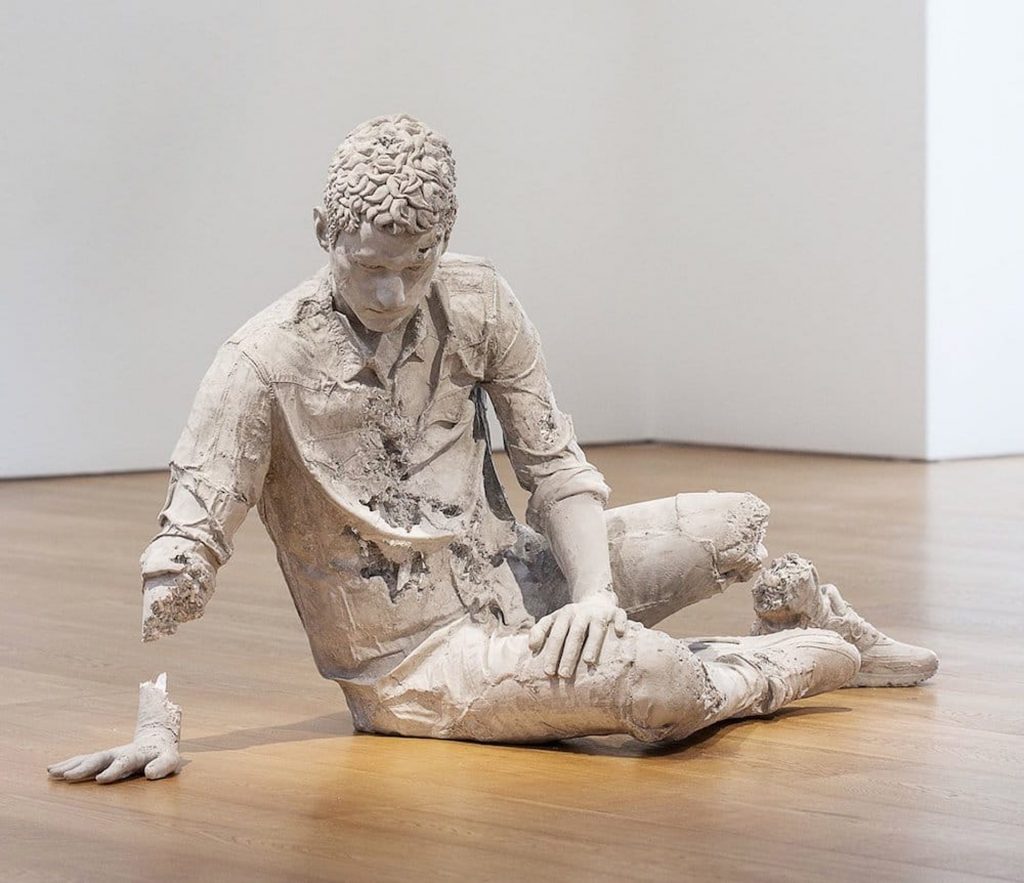
His early works often hovered between construction and decay. In paintings and installations, buildings seemed to both rise and collapse, blurring the line between ruin and creation. In 2005, his inclusion in Greater New York at MoMA PS1 introduced him to a broader audience. One work presented natural cave formations laced with architectural elements, while another depicted the reverse: nature eroding into built space. This push and pull between the man-made and the organic has remained central to his career.
Arsham’s vision has always moved across disciplines. With architect Alex Mustonen, he co-founded Snarkitecture, a studio devoted to playful reimaginings of everyday design. Around the same time, he was invited by choreographer Merce Cunningham to create stage designs, an unexpected opportunity that unlocked a new dimension in his practice. Later collaborations with dancer Jonah Bokaer and musician Pharrell Williams further expanded his reach, blending movement, sound, and visual art into shared environments.
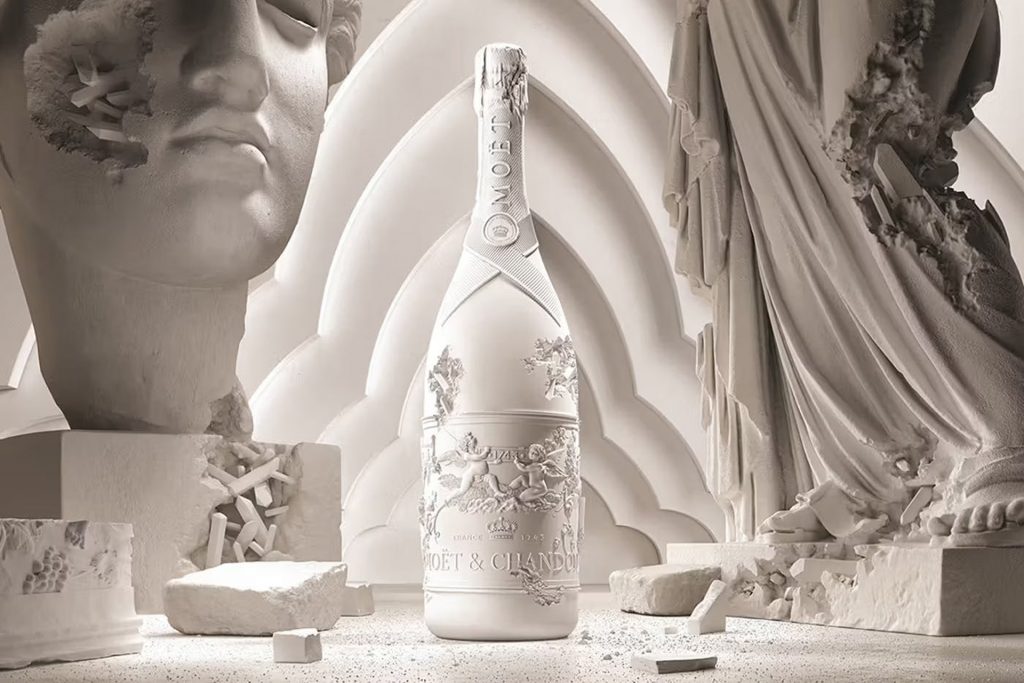
Miami itself remains a constant source of inspiration. Growing up between the Everglades and the city, Arsham observed a landscape where demolition and construction existed side by side, where the natural and artificial touched at sharp boundaries. That sense of impermanence and invention lingers in much of his art. One of his most recognizable bodies of work is what he calls “fictional archaeology.” Everyday objects cameras, phones, sneakers are cast in geological materials like volcanic ash or crystal, transforming them into relics from an imagined excavation. These works feel both familiar and estranged, suggesting that the artifacts of our present will eventually be read as fragments of a lost civilization.
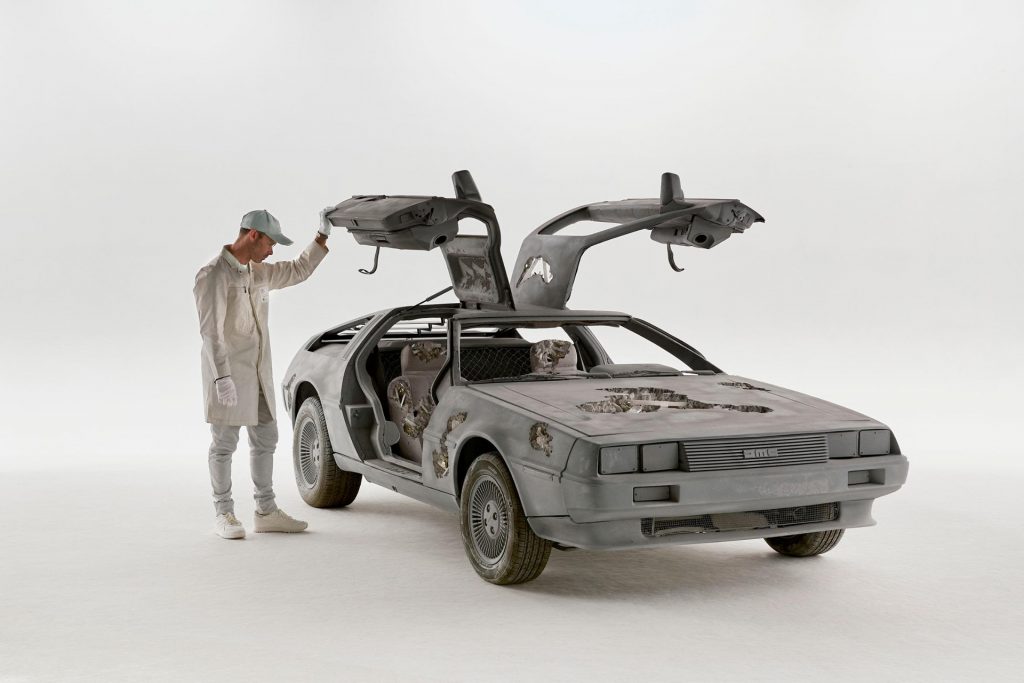
In more recent years, he has extended his ideas into film with the Future Relic series, short works that speculate on ecological collapse and the survival of cultural memory. Whether through sculpture, stage design, or film, Arsham’s practice remains rooted in transformation: where decay is another form of creation, and the present is always already on its way to becoming history.